Trending

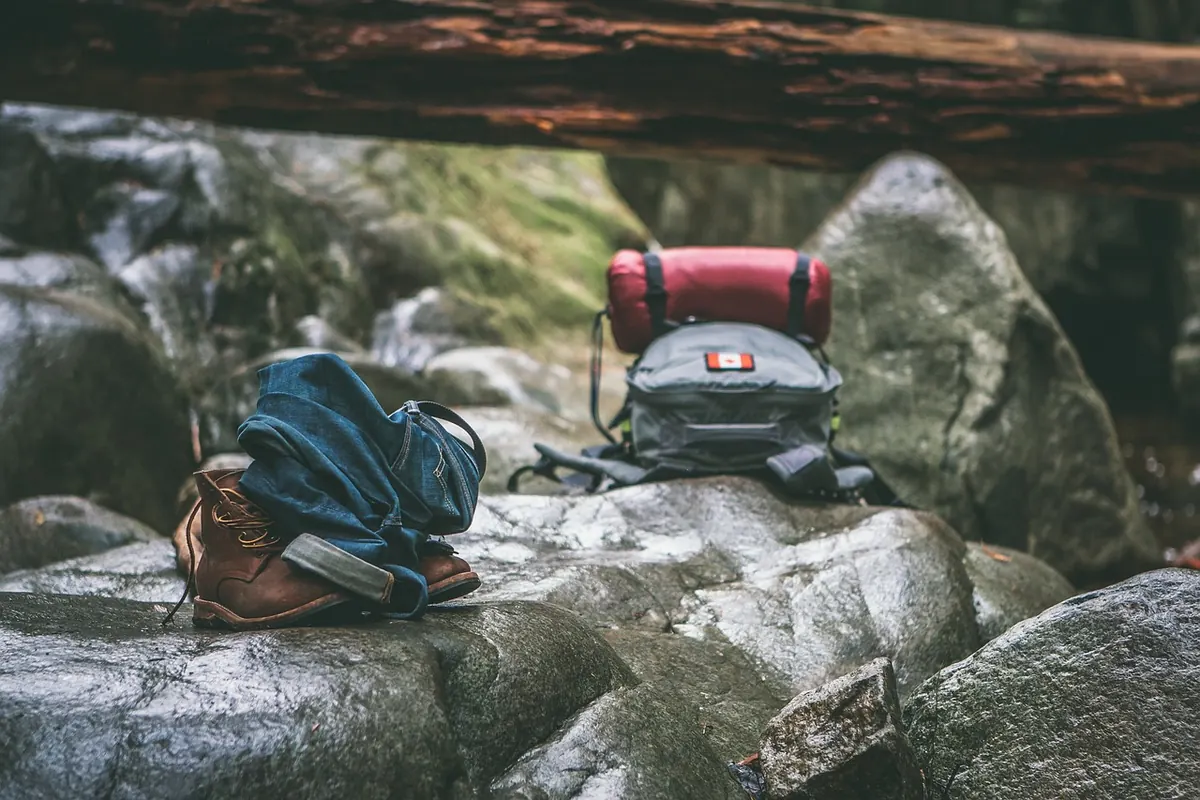
Aspen sits at roughly 2,400 metres, and almost every trail out of town climbs from there. That is the detail people forget when they pack. A walk can begin in warm sunshine on a paved path and finish three hours later on a windy ridge, 900 metres higher, with sleet coming sideways. Kit that works in the valley rarely works above the treeline. What follows is a sensible day-hike setup for the Aspen backcountry — the sort of list you can run through in ten minutes the night before.
Mountain weather in the Elk Mountains changes quickly, and a mild morning in town tells you very little about conditions higher up. Dress in three working layers and adjust as you gain height: unzip on the climb, add the shell the moment the wind picks up.
Then the small things people leave behind. A wool hat and liner gloves, even in July. A neck gaiter or buff for wind and dust. A spare pair of socks in a dry bag, which sounds excessive until you have crossed a meltwater stream in trainers. And no cotton against your skin: jeans and cotton T-shirts are the classic mistake here, because once they are wet they stop insulating and start chilling you.
Wear boots or trail shoes you have already broken in, with wool or synthetic socks rather than cotton. Some north-facing slopes above the treeline hold snow well into early summer, so light traction such as microspikes is worth carrying on routes like the climb up to Cathedral Lake or the higher switchbacks of the Four Pass Loop. Trekking poles are not just for knees; on loose scree descents they keep you upright and save your ankles.
Allow two to three litres for a half-day walk, and more on exposed routes with little shade. You lose fluid faster than you expect at this height, partly because you breathe harder and partly because the air is dry, and thirst is a poor guide — if you are thirsty, you are already behind. Add an electrolyte tablet or two if it is hot or you are sweating heavily.
Food matters more than people admit. Take more than you think you need: nuts, dried fruit, oatcakes, a proper sandwich, and something salty. Chocolate is fine until it melts in a hip pocket. Eat before you feel flat, and treat a summit as a place to sit down and refuel rather than a quick photo stop.
Streams look clean and often are, but giardia and similar problems do exist in these mountains. If you plan to refill rather than carry everything, bring a filter or purification tablets and use them. It is a small weight penalty for a much simpler day.
Most Aspen trails are clear at the trailhead and hazy at the junctions, particularly where use trails branch off towards lakes and saddles. Carry a paper map — a Trails Illustrated sheet or a printed topo — and a small compass, and know how to read them together. A phone with a downloaded offline map is an excellent backup, not a primary plan.
Phones drain quickly in the cold. Keep yours in an inside pocket, put it in flight mode when you are not using it, and carry a small power bank. Tell someone where you are going and when you expect to be back, and stick to that plan or message when you have signal again.
A head torch, even on a short walk, because a wrong turn costs time. A small first aid kit with blister plasters and tape. An emergency blanket or bivvy bag, a whistle, a penknife, insect repellent for the lower forest sections, high-factor sunscreen and lip balm. The sun is fierce at altitude, and you can burn badly on a cloudy day.
Thunderstorms build through the afternoon across the Colorado mountains, so be off summits and exposed ridges by early afternoon rather than gambling on one more pass. If the weather turns, descend. On altitude: headaches, nausea and unusual breathlessness are your cue to slow down, drink, eat and turn around. If symptoms get worse rather than better, go down. If you have a heart or lung condition, are pregnant, or are unsure how your body will cope with height, speak to a doctor before you head high.
Check the forecast the morning you go, not the night before, and read it for the elevation you are heading to rather than for Aspen itself. Start early — most people leave the trailhead between six and eight in the morning, which gives you the best light, firmer snow and a comfortable margin before the storms arrive. Set a turnaround time and honour it, even if the summit looks close.
Pace yourself on the climbs and take real breaks. Altitude rewards patience and punishes bravado. Stick to the trail, pack out everything you bring, and leave the wildflowers and the cairns where they are. Do those few things and a day out above Aspen is one of the best afternoons you can have in Colorado.
Photo: Pexels / Pixabay