Trending

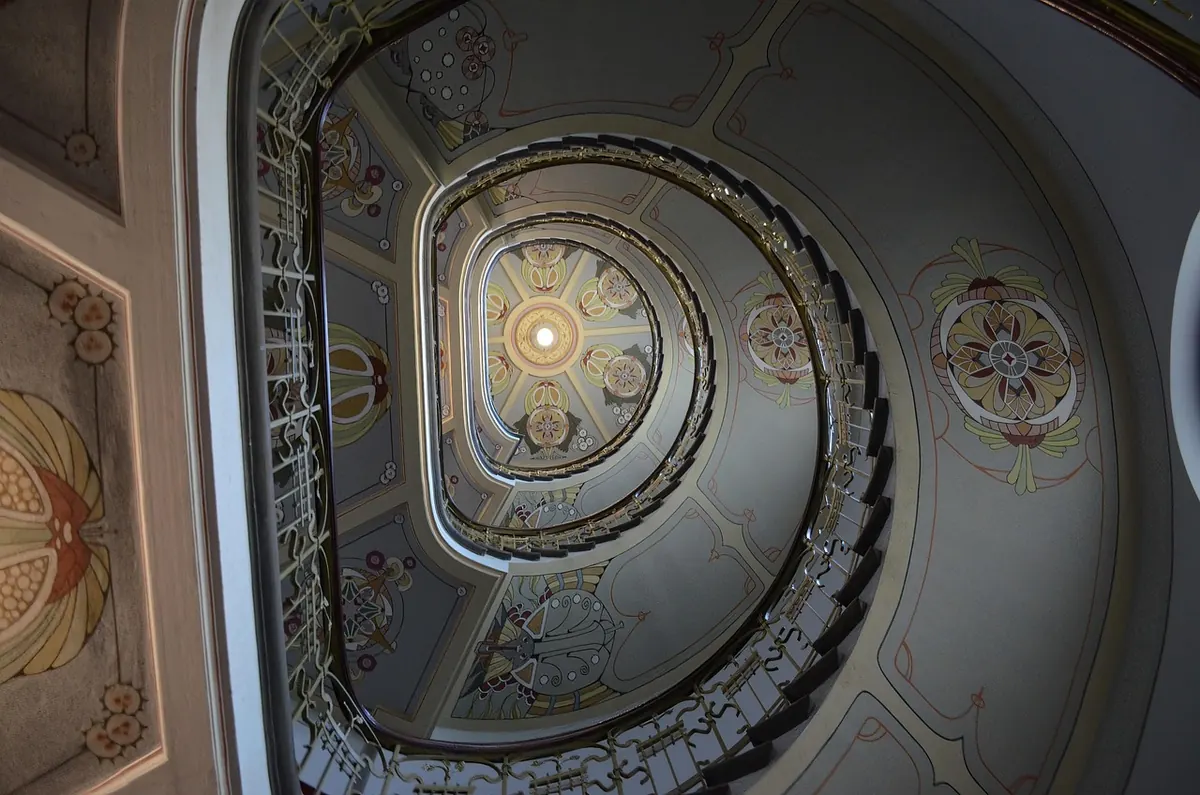
Aspen's reputation rests on snow, but the town's cultural calendar does not stop when the lifts close. Within a few walkable blocks you will find a purpose-built contemporary art museum, a Victorian opera house, a summer music festival that draws students and soloists from around the world, and a literary programme that runs right through the winter. If you are visiting in the shoulder season, or simply want a day off the mountain, here is where to spend it.
Start with the Aspen Art Museum on Spring Street, which charges nothing to enter. The building itself, by the Japanese architect Shigeru Ban, is worth the visit: a woven wooden screen wraps the exterior, and the rooftop café looks straight up at Aspen Mountain. Inside, the focus is contemporary work, with exhibitions that change several times a year. You can see the whole place in an hour or lose an afternoon on the roof, depending on your mood and the weather.
A short walk away, the Red Brick Center for the Arts occupies a converted school building and packs in working studios, a gallery and a programme of classes. It is a good place to meet artists who actually live in the valley, and small pieces are often for sale. If you want something to take home that is not a branded hoodie, look here first.
For context on how the town got here, the Aspen Historical Society runs several sites, including a Victorian house museum and a mining and ranching museum, and organises guided walks and tours. Its summer trips out to Ashcroft, a preserved ghost town down the Castle Creek valley, are among the most rewarding half-days in the area — a reminder that this was a silver town long before it was a ski resort.
Anderson Ranch Arts Center sits in Snowmass Village, about twenty minutes down the valley. It hosts workshops, exhibitions and talks by visiting artists, and the campus has a relaxed, unpolished feel that contrasts nicely with downtown Aspen. Check what is on before you drive out; the public programme is busiest in summer.
The Aspen Music Festival and School runs through the summer months and is the single biggest cultural draw of the year. Students and established performers play side by side in the Benedict Music Tent and Harris Concert Hall, and the schedule covers orchestral concerts, chamber music, opera and masterclasses. Some events are free or inexpensive; others sell out, so it pays to look at the programme a week or two ahead rather than turning up on the night.
Two practical notes. The tent is open-sided, so take a jumper or a blanket — mountain evenings turn cold quickly, even in July. And do not overlook the daytime events: a rehearsal or a student recital can be more revealing than a polished evening performance, and the atmosphere is far less formal.
Jazz Aspen Snowmass, usually shortened to JAS, runs two very different festivals. The June Experience takes over several downtown venues, with one pass covering the lot, so you can drift between rooms and catch whoever sounds good. The Labor Day Experience is the bigger, louder affair: an open-air weekend with headline acts, held down the valley. Book accommodation early if your trip centres on either.
For the rest of the year, Belly Up Aspen is the town's main gig venue. It is small, standing-room only in front of the stage, and tickets for well-known names disappear fast. The Wheeler Opera House also hosts touring musicians, comedians and film screenings, which makes it a useful catch-all when you are planning an evening.
The Wheeler Opera House dates from 1889 and has been restored to something close to its original Victorian character. It carries a mixed programme of comedy, theatre, talks and community productions, and its box office is the best single source of what is happening in town on any given night.
Aspen Film stages two main events: Shortsfest in spring, which focuses on short films, and Filmfest in the autumn, when features and documentaries arrive ahead of the awards season. Between festivals, the Isis cinema downtown shows first-run releases.
For readers, Aspen Words runs a winter author series and a summer writing conference, and the Pitkin County Library hosts readings and talks that are usually free. If you are in town for a week, a library event is a good way to hear local voices rather than touring ones.
The town's own calendar is worth planning around, and most of it is free to watch:
Pick one anchor event and build the trip around it, then fill the gaps. Tickets for headline concerts and festival weekends go on sale well in advance, while smaller events are often free or by donation, so a few days can be surprisingly affordable.
A workable pattern for a single day: a museum in the morning while the light is good, lunch in town, a historical walk or gallery in the afternoon, then a concert or a film in the evening. Everything on that list sits within walking distance of the central core, and the local buses cover the rest of the valley without charge.
Two things to keep in mind. Aspen sits at roughly 8,000 feet, so take the first day gently, drink more water than you think you need, and go easy on alcohol. If you have a heart or lung condition, speak to your doctor before travelling to altitude. And in the shoulder seasons — late spring and November — some venues and restaurants close or cut their hours, so check opening times before you build a plan around them.
Photo: Surprising_Media / Pixabay