Trending

Aspen in winter is bright, dry and cold — a different proposition from a damp week in the Alps. The town sits at roughly 2,400 metres, the snow is usually light and squeaky underfoot, and the sun can burn your face while your toes are still numb. Packing well for it isn't about volume. It's about getting the layers right and bringing the handful of small things that quietly save a trip. What follows is a ten-day checklist built for the journey from the UK, covering the flight, the mountain and the evenings afterwards.
Think about arrival before you think about skiing. You'll fly for nine or ten hours, clear immigration, collect bags, then face a transfer or a long drive from Denver — which winter weather can stretch considerably. Dress for that, not for the slopes: a merino base layer, a softshell or light jacket, comfortable trousers and trainers you can slip on and off at security.
Put one full set of ski clothing in your carry-on: base layer, socks, gloves, goggles, plus any medication and a toothbrush. If your checked bag goes missing — it happens more often on connecting itineraries — you can ski the next morning while the airline catches up. If you own your ski boots and the airline allows a boot bag as your cabin item, carry them. Nothing ruins a week faster than a borrowed pair that doesn't fit.
Forget the single thick jacket. Aspen days swing between a cold, windy summit and a mild, sunny base, and you'll be opening vents by eleven o'clock. Three layers give you room to adjust.
Merino or a synthetic blend, never cotton. Bring three or four sets for ten days and rotate them — wash one in the sink each evening and it will be dry by morning. Add a lighter base layer for spring-like afternoons.
Two is plenty: a fleece for milder days and a light down or synthetic jacket for the cold ones. This is the layer you'll remove at lunch and put back on at three o'clock.
A waterproof, breathable jacket and matching trousers. Aspen's snow is dry, so breathability matters more than a heavy waterproof rating. Piste-side trousers over a thin base layer are usually enough; add a fleece mid layer underneath if you feel the cold.
Hire skis and poles. Lugging your own across the Atlantic rarely makes sense once airline bag fees are added, and Aspen's shops have a good range — check current rental terms before you book. Boots are the one piece of kit worth serious thought. If yours fit well, bring them. If you're hiring, collect them in the afternoon rather than the morning: feet swell on long flights, and a boot that feels snug at 9am may be unbearable by noon.
These are the things people forget and then pay for at resort prices.
Print this, tick it off, and leave it in the case so you can rebuild it next season.
Insurance is worth a proper read before you go, particularly if you're planning anything off-piste or outside marked runs. Standard policies often exclude it, and buying cover on the day you need it is rarely possible. If the wording is unclear, ask the insurer directly.
One large duffel or soft-sided case plus a boot bag is easier to manage than a hard-shell suitcase that fights you at every transfer. Pack base layers and socks into compression cubes, and stuff socks inside your boots to save space. Keep liquids in containers of 100ml or under in a clear bag for the cabin. Weigh your checked bag at home — ski luggage gets heavy fast, and excess baggage charges are not a holiday souvenir anyone wants.
Lay everything out on the bed and pick up each item. If you can't say when you'd wear it, put it back. Then run the checklist once more against the forecast, which can shift a lot between early and late season. Add a spare pair of gloves, confirm your transfer, and set an alarm for the airport run. The mountain will still be there, and with the right bag you'll enjoy it a great deal more.
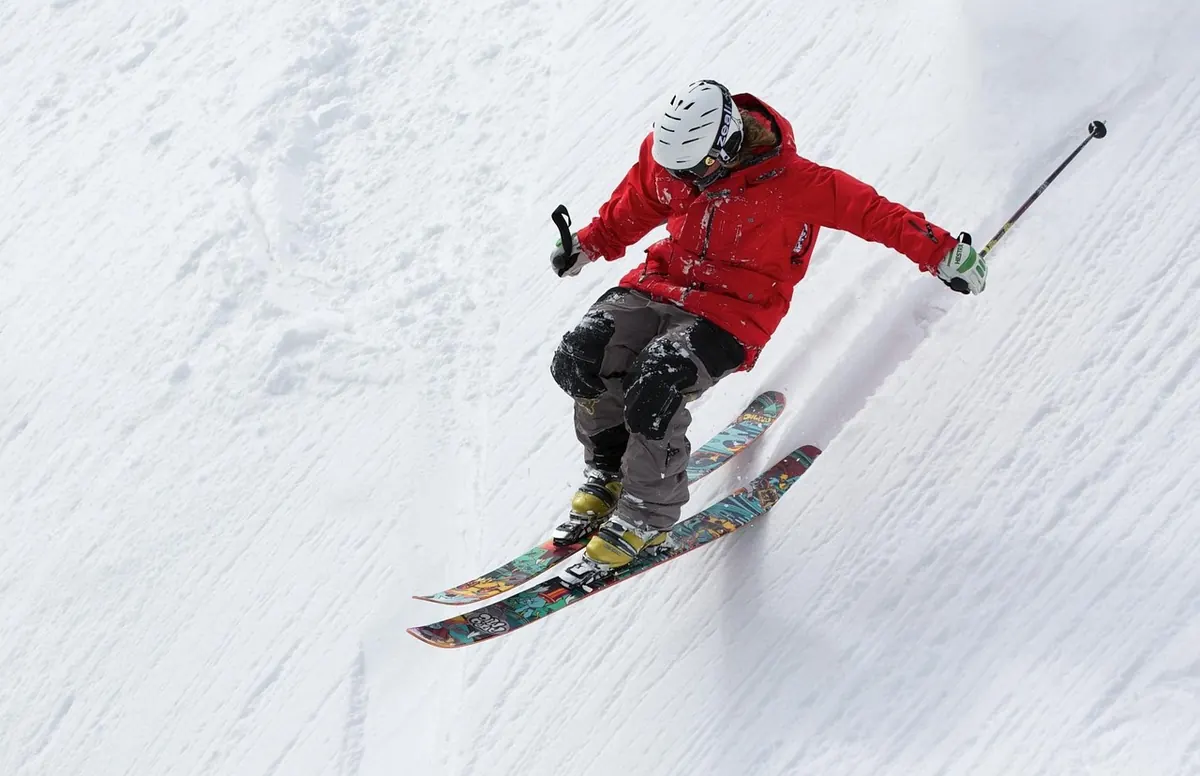
Photo: Up-Free / Pixabay